Why Some Video Games Become Cultural Icons
Ryker Ware
September 1, 2026
Most video games have a relatively predictable life. They are announced, released, played and eventually replaced by whatever comes next. Even successful games can slowly disappear from everyday conversation as technology changes and players move on.
A small number escape that cycle.
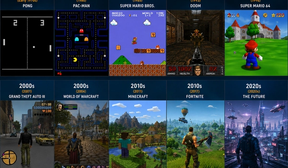
Mario is recognizable to people who have never owned a Nintendo console. Minecraft’s blocky visual style became instantly identifiable around the world. Pokémon expanded from games into television, cards, toys and a cultural language of its own. Grand Theft Auto releases have become major entertainment events, while games such as Fortnite have produced dances, concerts and references that travel far beyond gaming.
These games become more than successful products. They become cultural icons, and that usually happens because they give people something that can survive outside the original game.
Iconic games are easy to recognize
Cultural icons need a strong identity.
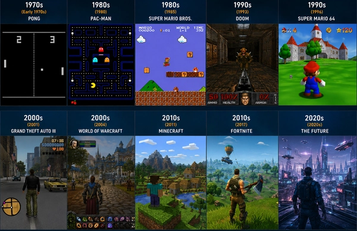
Mario has his red cap and mustache. Pac-Man is essentially a yellow circle with a missing slice. Minecraft has blocks and Creepers. Pokémon has Pikachu. The visual language of these games can often be recognized within seconds.
That simplicity matters because cultural influence depends partly on ideas being easy to remember and reproduce.
A character with an extremely complicated design may look impressive inside a game but be difficult to recognize from a silhouette, costume or small image. The strongest gaming icons often have a few distinctive characteristics that remain identifiable almost anywhere.
Sound can work the same way. A short piece of music, an item sound or even the noise made when a character performs a particular action can become recognizable to millions of players.
Once those details enter people’s memories, the game begins to exist beyond the screen.
Timing can matter as much as quality
A great game released at the right moment can become associated with an entire period of people’s lives.
Super Mario Bros. arrived as home console gaming was becoming a major form of entertainment. Pokémon became a phenomenon as its games, television series and trading cards reinforced one another. Fortnite exploded during an era when streaming, online multiplayer and social media could turn gaming moments into global conversations almost instantly.
The technology surrounding a game affects how far its influence can spread.
Earlier games became cultural phenomena through arcades, magazines, television and word of mouth. Modern games can spread through YouTube, Twitch, TikTok, Discord and countless other online communities.
This does not mean timing can make any game iconic.
The game still needs something people care about.
But the right cultural moment can transform a successful title into something much larger.
People need something to talk about
Games become culturally powerful when playing them produces stories.
Minecraft is a clear example. Two people can spend the same amount of time playing and have completely different experiences because they build, explore and experiment in different ways.
Grand Theft Auto creates unpredictable situations that players retell to friends. Multiplayer games produce dramatic victories, terrible mistakes and funny accidents. Difficult games generate stories about finally defeating an enemy after dozens of attempts.
These moments extend the game beyond the time spent actually playing it.
Players discuss them at school, at work, in group chats and online. They upload clips, create memes and explain strategies.
A game with strong cultural influence therefore gives people more than content to consume.
It gives them material to communicate with.
Characters can become bigger than their games
Some franchises become cultural icons because their characters develop identities far beyond the original gameplay.
Mario is not simply the character controlled in a platform game. He represents Nintendo itself. Pikachu became a recognizable symbol of Pokémon even among people who could not name many other creatures from the series.
Characters can appear in films, television shows, toys, clothing and advertising. Every appearance introduces them to people who may never play the original games.
This creates a feedback loop.
The game makes the character famous, the character makes the franchise more recognizable, and that recognition brings new people toward the games.
Eventually, the character’s cultural identity becomes partly independent of any particular release.
Children can recognize Mario before they are old enough to understand the history of Super Mario Bros.
That is when a game franchise has moved beyond gaming culture and into popular culture more broadly.
Communities keep games alive
A game does not become iconic only because a company markets it successfully.
Players have to adopt it.
Communities create fan art, modifications, videos, guides, competitions, memes and countless other forms of culture around games they love. In some cases, players continue supporting games long after official development has slowed or stopped.
Competitive communities can keep older games relevant for decades. Speedrunners discover new techniques. Modders create new content. Fans organize events and maintain detailed archives of information.
This community activity gives games a life beyond their original commercial cycle.
Minecraft became more than a building game partly because millions of players constantly showed one another what could be created inside it. Games such as Counter-Strike developed identities around competitive communities that continued evolving over many years.
A company can release a game.
It cannot completely manufacture the culture that grows around it.
Memes give games a second life
Modern gaming culture and internet culture are deeply connected.
A character expression, strange animation, piece of dialogue or gameplay moment can become a meme completely separate from its original context.
People who have never played the game may still recognize the reference.
This creates a new route into cultural relevance.
Older games depended more heavily on direct exposure through arcades, consoles or traditional media. Today, someone can become familiar with a game’s characters and jokes simply by spending time online.
Sometimes this exposure brings people back to the original game. Other times, the meme becomes more famous than the source itself.
Either way, the game gains a place in the shared vocabulary of the internet.
Iconic games often create something others copy
Another sign of cultural importance is when a game changes expectations across the industry.
Doom helped define how first-person action games could work. Grand Theft Auto III influenced generations of open-world games. Minecraft helped demonstrate the enormous potential of open-ended creation and survival systems. Fortnite helped normalize the idea of a constantly changing game functioning as both entertainment and social space.
Once an influential idea succeeds, competitors adapt it.
The original game’s design decisions begin appearing everywhere.
Eventually, players may forget that certain mechanics once felt unusual because they have become standard features of the medium.
This is one of the strangest forms of success.
A game can become so influential that its innovations stop looking innovative.
Nostalgia turns games into generational landmarks
Games are particularly powerful sources of nostalgia because players actively participate in them.
You do not simply remember watching something happen. You remember trying to defeat the boss, exploring the world, playing with siblings or staying up too late with friends.
Those memories attach themselves to particular periods of life.
Someone who played Pokémon as a child may later introduce it to their own children. A person who grew up playing Mario can recognize the same character decades later in a completely different game.
This gives successful franchises an opportunity to cross generations.
New players discover them because the games continue evolving, while older players carry emotional memories of earlier versions.
The franchise becomes both current entertainment and a reminder of the past.
Cultural icons become larger than any single game
There is no formula that guarantees a video game will become culturally iconic.
A huge marketing budget is not enough. Excellent reviews are not enough. Selling millions of copies is not always enough either.
The games that endure usually combine several things: recognizable identities, memorable experiences, strong communities and enough flexibility to remain relevant as culture changes around them.
Eventually, their influence becomes difficult to separate from gaming itself.
People recognize the characters without remembering which game introduced them. Children repeat references created before they were born. Music, images and phrases continue circulating long after the original hardware becomes obsolete.
At that point, the game has achieved something much harder than commercial success.
It has become part of the culture that surrounds it.
And once that happens, people do not necessarily need to play the game to know exactly what it means.