The Real Difference Between a Nerd, a Geek, and a Dork
Ryker Ware
September 1, 2026
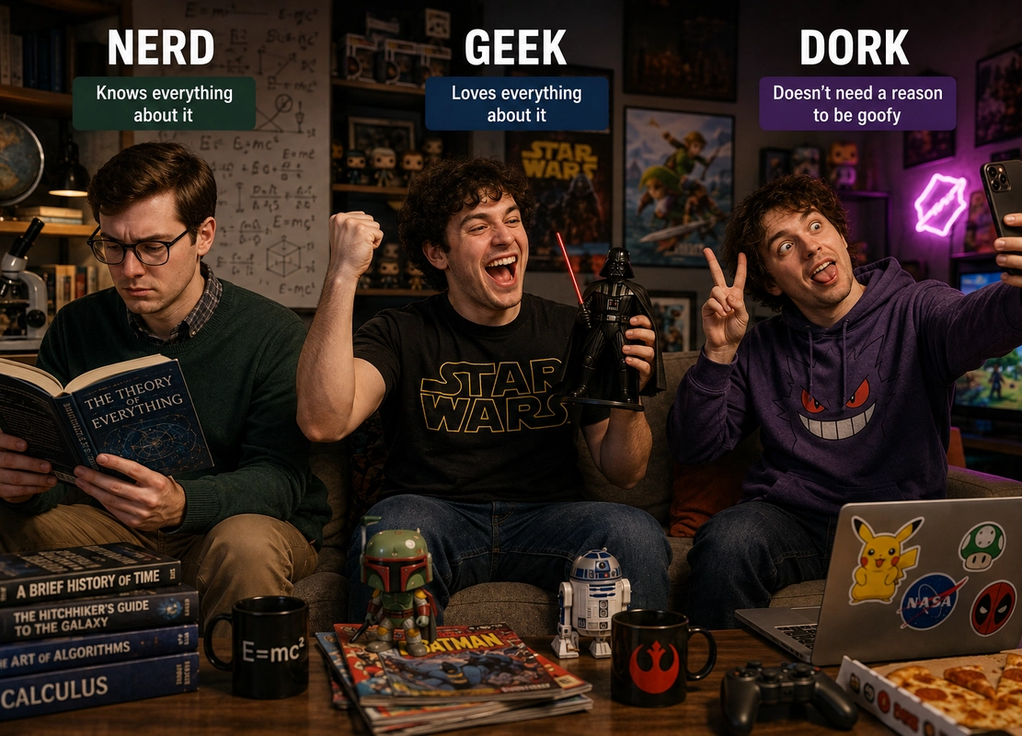
“Nerd,” “geek” and “dork” are three words people often use as though they mean exactly the same thing. Someone who loves computers might be called a nerd. A person who knows everything about Star Wars might be a geek. Someone who tells an awkward joke at the wrong moment might get called a dork.
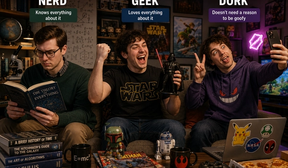
There is plenty of overlap, but the words carry slightly different meanings. A nerd is generally associated with knowledge and intellectual interests. A geek is more closely associated with intense enthusiasm for a particular subject. A dork is usually associated with awkwardness or goofy behavior rather than knowledge or fandom.
None of these definitions is absolute. The meanings have changed enormously over time, and today people often use all three affectionately or even proudly. Still, if you have ever wondered why someone can be a computer nerd, a gaming geek and a complete dork at the same time, the distinctions are surprisingly useful.
A nerd is usually defined by knowledge
The modern stereotype of a nerd centers on intellectual curiosity.
A nerd is someone who becomes deeply interested in learning, understanding or mastering a subject. That subject might be mathematics, science, history, programming, linguistics or almost anything else that rewards detailed knowledge.
The classic fictional nerd was the student who loved studying, earned excellent grades and understood subjects everyone else found boring.
That stereotype was rarely flattering. For decades, popular culture often portrayed intelligence and social popularity as opposites. The nerd knew the answer to every question but supposedly had no idea how to behave at a party.
Real life is obviously more complicated.
Someone can be highly intellectual and extremely social. The useful part of the term is not the old stereotype but the emphasis on knowledge. Calling yourself a history nerd, for example, usually means you enjoy learning far more about history than the average person considers necessary.
And you are probably perfectly happy about that.
A geek is usually defined by enthusiasm
If nerdiness is primarily about knowing, geekiness is often about loving.
A geek becomes intensely enthusiastic about a particular interest and wants to explore everything connected to it.
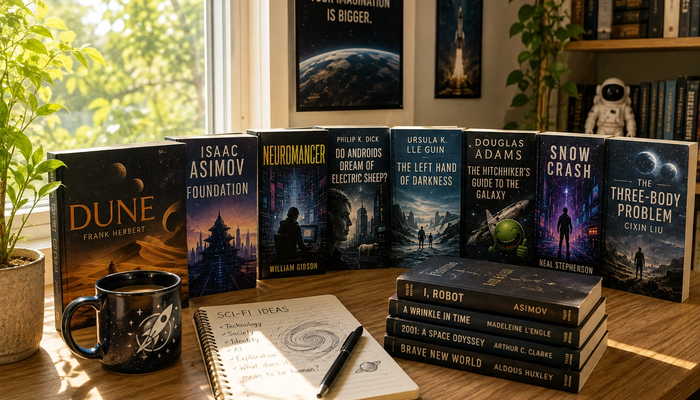
There are gaming geeks, film geeks, technology geeks, comic geeks, coffee geeks, camera geeks and countless other varieties.
A film geek might know directors, release dates and production histories, but the knowledge comes from enthusiasm. They do not simply know the information because they studied it. They know because they genuinely enjoy spending time inside that subject.
This is one reason “geek” has become such a flexible label.
Almost anything can become geeky if someone cares about it intensely enough.
A person comparing mechanical keyboard switches for three hours is behaving like a keyboard geek. Someone who can explain the differences between dozens of coffee brewing methods is a coffee geek.
The topic matters less than the enthusiasm.
A dork does not need a specialist subject
Dork is slightly different from the other two words.
You do not need to know anything about computers, science fiction or mathematics to be a dork.
The word is more closely associated with social awkwardness, silliness or being endearingly uncool.
Someone dancing badly in the kitchen, making an awful joke and laughing harder than everyone else or becoming ridiculously excited about something minor might describe themselves as a dork.
That is why “dork” often feels more personal than “nerd” or “geek.”
Nerd and geek frequently describe what someone is interested in.
Dork often describes how someone behaves.
It can still be insulting depending on the context, but among friends it is frequently affectionate. Calling someone “such a dork” can essentially mean that they are being ridiculous in a way you find charming.
The words were not always compliments
All three terms have histories as insults.
For much of the twentieth century, calling someone a nerd or geek could imply that they were socially unsuccessful, unfashionable or too interested in subjects considered strange.
Popular entertainment reinforced those stereotypes.
The nerd wore unfashionable clothes, loved computers and could not talk to attractive people. The geek obsessed over comics or science fiction. The cool characters supposedly had better things to do.
Then culture changed around them.
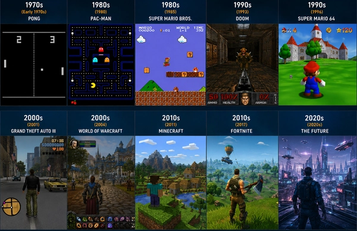
Computers became central to everyday life. Video games became mainstream entertainment. Superhero movies became global blockbusters. Technology companies became some of the most powerful businesses in the world.
The interests associated with geeks and nerds stopped being marginal.
As that happened, the labels became easier to claim proudly.
The rise of technology changed the nerd stereotype
The technology industry played an enormous role in changing how nerdiness was perceived.
Computer expertise went from being an obscure specialist skill to one of the most valuable forms of knowledge in the global economy.
The person who spent their teenage years learning how computers worked might eventually become the person everyone depended on professionally.
That cultural shift weakened the idea that technical obsession automatically made someone unsuccessful.
Technology also became aspirational.
New devices attracted enormous launch events. Programming became associated with startups and innovation. People who understood emerging technology could suddenly appear ahead of the culture rather than outside it.
The stereotypical nerd did not necessarily change.
The world became much more interested in what the nerd already knew.
The internet gave geeks somewhere to find each other
Geek culture also benefited enormously from the internet.
Before online communities, having an extremely specific interest could feel isolating if nobody nearby shared it.
Online, almost every obsession could find an audience.
Fans built forums, websites, wikis and eventually enormous communities around games, films, comics, technology and hobbies.
Suddenly, knowing everything about an obscure fictional universe was not useless information.
Thousands of other people wanted to discuss exactly the same thing.
The internet also made enthusiasm visible. People could publish reviews, tutorials, collections and detailed explanations about subjects they loved.
Being a geek became less about standing alone with an unusual interest and more about belonging to a community built around it.
You can easily be all three
The categories overlap because human beings do not fit neatly into vocabulary.
Imagine someone who loves computers.
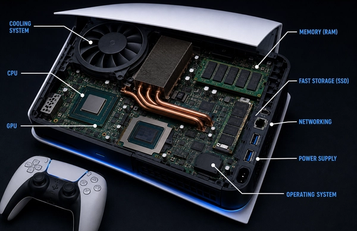
They spend weekends learning how processors work because they genuinely enjoy understanding the technology. That sounds nerdy.
They also collect old computers, watch hardware videos and become extremely excited whenever a new graphics card launches. That sounds geeky.
Then they accidentally walk into a door while explaining processors because they were not paying attention.
Congratulations.
We have completed the set.
Someone can also be one without the others. A mathematics nerd may have no interest in traditional geek culture. A movie geek may not be particularly academic. A dork can be wonderfully goofy without having any specialist interest whatsoever.
These are cultural labels, not personality diagnoses.
The biggest difference is how the words feel today
Perhaps the most interesting thing about nerd, geek and dork is that all three have softened.
People now willingly describe themselves as nerds and geeks because the words can communicate curiosity, expertise and enthusiasm. Even dork can become affectionate when used between people who know each other well.
Context still matters. Any label can be insulting when someone uses it to make another person feel inferior.
But increasingly, these words celebrate characteristics they once mocked.
Being deeply interested in something is no longer automatically embarrassing. Knowing far too much about a subject can be impressive. Getting ridiculously excited about a hobby can be part of what makes someone interesting.
So the simplest distinction is still useful.
A nerd wants to understand it.
A geek absolutely loves it.
A dork might trip over something while telling you about it.
And there is absolutely nothing stopping one person from being all three.