How Geek Culture Went Mainstream (Without Anyone Noticing)
Lilian Abbott
September 1, 2026
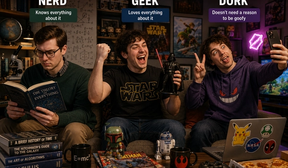
There was a time when being deeply interested in comic books, fantasy novels, computers or video games could place someone firmly outside mainstream culture. The stereotypical “geek” was portrayed as socially awkward, intensely interested in obscure subjects and definitely not responsible for deciding what everyone else thought was cool.
Then something strange happened.
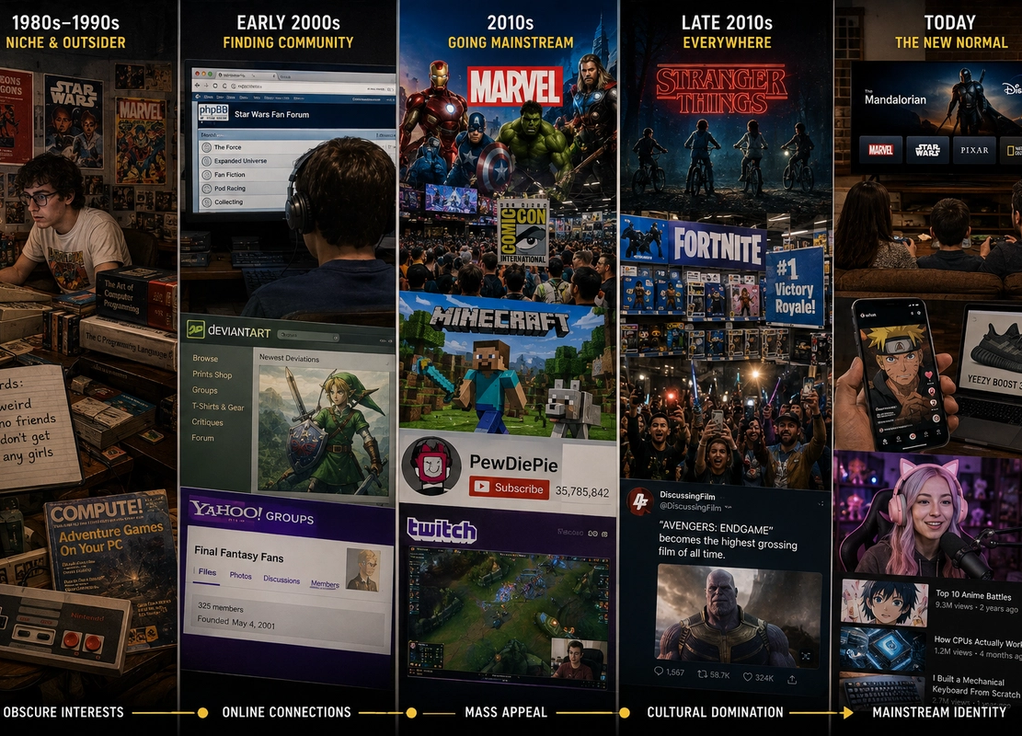
The interests stayed, but their cultural position completely changed. Superhero films became some of the biggest entertainment releases in the world. Video games grew into a massive global industry. Fantasy series became prestige television. People started watching professional gamers, discussing artificial intelligence over dinner and wearing clothing featuring characters that once belonged primarily to niche fandoms.
Geek culture did not simply enter the mainstream. In many ways, it became the mainstream, and the transition happened gradually enough that it can be difficult to identify exactly when the change occurred.
The internet gave niche communities somewhere to meet
Before the internet, finding people who shared an unusual interest depended heavily on geography. If you loved a particular science-fiction series but nobody at school or work cared about it, your opportunities to discuss it were limited.
The internet changed the mathematics of niche culture.
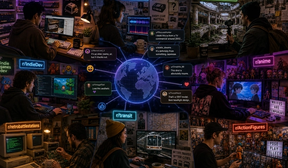
Someone interested in an obscure game, comic series or programming language could suddenly find thousands of people who cared just as much. Forums, message boards, fan sites and later social platforms allowed communities to form around interests rather than physical locations.
This did more than make existing geeks feel less isolated. It made niche interests more visible.
Fan theories, artwork, modifications, guides and discussions could circulate far beyond small groups of enthusiasts. People who might never have encountered a particular fandom could discover it accidentally online and become interested themselves.
Being niche no longer necessarily meant being small.
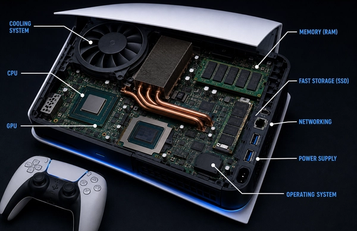
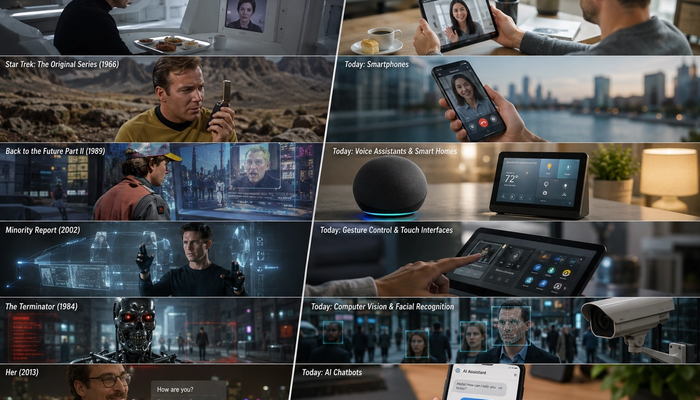
Technology stopped being a specialist interest
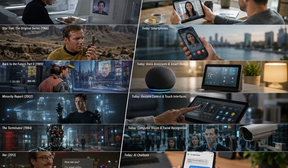
Computers themselves were once strongly associated with geek culture.
For most people, that relationship has completely changed.
Technology now sits at the center of ordinary life. Smartphones, apps, streaming services, social networks, cloud storage and digital payments are used by people who would never describe themselves as technology enthusiasts.
As technology became mainstream, knowing how it worked became more culturally valuable.
The person who understood computers was no longer simply someone with an unusual hobby. They might be the person building the next successful company, developing an app used by millions or explaining why everyone else’s Wi-Fi had stopped working.
The technology industry also produced some of the world’s most influential companies and wealthiest entrepreneurs. That changed the cultural image of technical expertise.
Being obsessed with computers stopped looking quite so strange when computers started running everything.
Superheroes escaped the comic book shop
Few transformations demonstrate the mainstreaming of geek culture better than superheroes.
Comic book characters once belonged primarily to a dedicated fan culture, even though figures such as Superman and Batman had long been widely recognizable.
Modern blockbuster filmmaking changed the scale.
Superhero movies became global events watched by enormous audiences. Characters that casual viewers might once never have encountered became household names.
This expanded the surrounding culture as well.
People discussed fictional universes, character histories and post-credit scenes with the same enthusiasm previously associated with dedicated comic fans. Concepts that once required explaining decades of comic-book continuity became normal subjects of mainstream entertainment coverage.
You no longer needed to enter a comic book store to encounter geek culture.
Geek culture came to the cinema, television and eventually almost every streaming service.
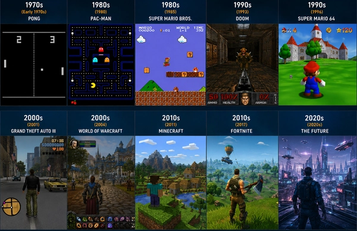
Video games grew up with their audience
Gaming followed a similar path.
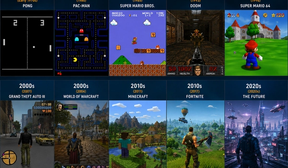
Early video games were often treated as toys or niche entertainment, particularly in mainstream discussions. As generations of players grew older, however, they did not necessarily stop playing.
The audience expanded instead.
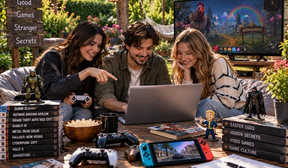
Someone who grew up with a Nintendo console could become an adult who still played games while introducing them to their own children. At the same time, games became more diverse, offering everything from competitive shooters to quiet narrative experiences and enormous open worlds.
Online gaming also made games social spaces.
People met friends inside games, watched gaming videos and followed professional esports competitions. Streaming platforms turned skilled or entertaining players into personalities with enormous audiences.
Gaming was no longer simply something happening privately in a bedroom.
It became a visible part of global entertainment culture.
Fantasy stopped needing an apology
Fantasy experienced one of the clearest changes in cultural status.
Stories involving dragons, magic and invented kingdoms were once easy targets for stereotypes about geeky interests. Then franchises such as Harry Potter, The Lord of the Rings and Game of Thrones attracted enormous mainstream audiences.
Suddenly, discussing fictional kingdoms was not particularly unusual.
People who had never opened a fantasy novel debated characters, politics and mythology from fantasy worlds with impressive seriousness.
The genre itself had not fundamentally changed.
The audience had.
High production values also helped. Film and television technology reached a point where fantasy worlds could appear convincing rather than obviously artificial. Streaming services then created space for expensive genre productions aimed at adults as well as younger audiences.
Fantasy stopped feeling like a separate corner of entertainment and became another major part of it.
Social media turned fandom into public identity
The internet originally gave fans places to find one another.
Social media made those interests visible to everyone else.
People could publicly identify themselves through the games they played, shows they watched and fictional characters they loved. Fandom became something displayed through profiles, memes, reaction images and posts.
This changed the relationship between identity and entertainment.
Wearing a superhero shirt or displaying a gaming reference was no longer necessarily a signal aimed at a tiny community. It could be understood by millions of people.
Brands noticed.
Companies began collaborating with games, anime series, superhero franchises and other parts of geek culture because those audiences were large, passionate and commercially valuable.
What once looked like niche fandom became marketing power.
Being knowledgeable became part of the fun
Geek culture has always rewarded knowing things.
Which character appeared first? What does that reference mean? How does the fictional timeline work? What hidden detail did everyone else miss?
The internet turned that instinct into a major form of entertainment.
Video essays analyze fictional universes for hours. Wikis document tiny details about games and films. Podcasts discuss individual episodes of television shows. Fans examine trailers frame by frame looking for clues.
Mainstream audiences increasingly participate in entertainment the way traditional fandoms always did: actively rather than passively.
Watching something is only the beginning.
Then comes discussing it, researching it, making theories about it and sharing jokes that only make sense if someone else understands the reference.
In that sense, mainstream culture did not simply accept geek interests.
It adopted geek behavior.
The word “geek” changed along with the culture
Perhaps the clearest evidence of the transformation is how the label itself changed.
Being called a geek was once frequently intended as an insult. Today, people comfortably describe themselves as tech geeks, film geeks, gaming geeks or science geeks.
The word increasingly suggests enthusiasm and expertise rather than social failure.
There is also no single geek culture anymore.
Someone can be deeply interested in mechanical keyboards and know nothing about superheroes. Another person may love anime but have no interest in programming. Someone else might spend hundreds of hours learning the history of one game franchise.
The identity fragmented at exactly the same moment that its interests became mainstream.
Geek culture won by becoming ordinary
There was no single day when geek culture officially became mainstream.
There was no ceremony where everyone agreed that video games, superheroes, fantasy and technology were now normal interests.
It happened through thousands of smaller changes.
The internet connected niche communities. Technology became essential to daily life. Gaming audiences grew older and larger. Superhero movies dominated cinemas. Fantasy became prestige entertainment, and social media made fandom visible everywhere.
Eventually, the boundary between geek culture and mainstream culture became difficult to locate.
That may be the strangest part of the whole transformation.
Geek culture did not conquer mainstream culture by convincing everyone to become geeks.
The world simply adopted so many geek interests and habits that eventually nobody thought they were particularly geeky anymore.