Why Some Fandoms Last for Generations
Alena Marks
September 1, 2026
Most entertainment has a surprisingly short cultural life. A movie becomes popular, everyone talks about it for a few months, and then attention moves somewhere else. A television series ends, a new trend arrives, and something that once seemed unavoidable slowly disappears from everyday conversation.
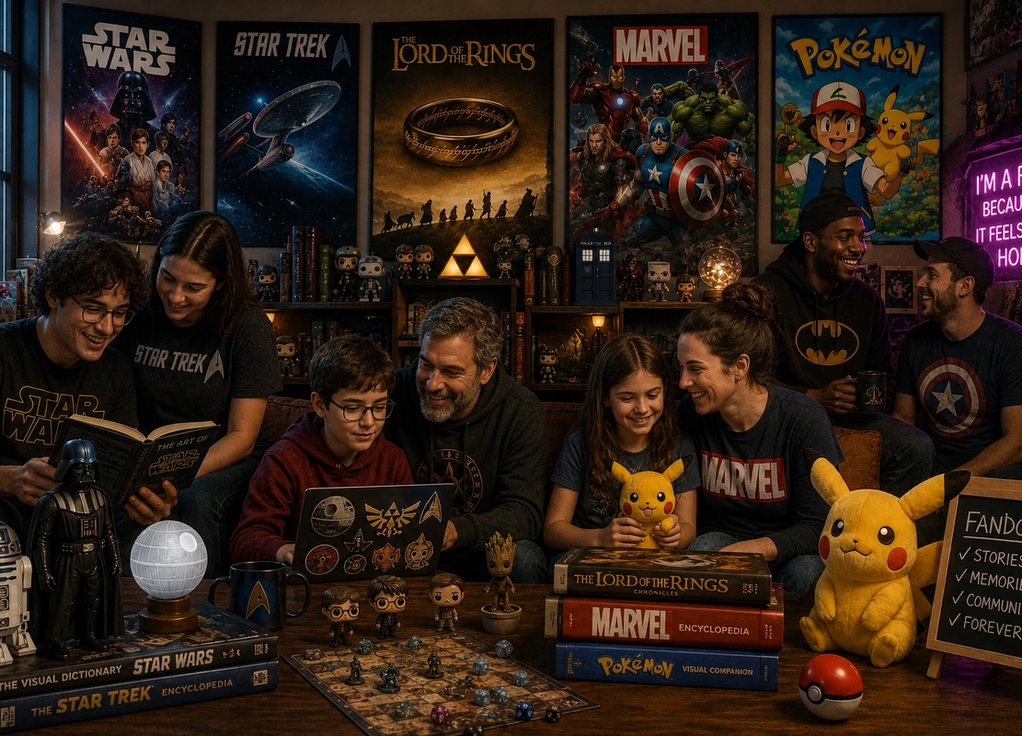
Some fandoms refuse to follow that pattern. Star Wars, Star Trek, The Lord of the Rings, superheroes, Pokémon and other major fictional worlds have remained relevant for decades. People who discovered them as children are now introducing them to their own children, while completely new audiences continue arriving through movies, games, books and online communities.
Longevity like this is not simply the result of producing endless sequels. A lasting fandom needs something people want to return to, enough space for new stories and a community that keeps the fictional world alive even when there is nothing new to watch or play.
Great fictional worlds feel bigger than one story
One of the strongest foundations for a lasting fandom is a world that seems to continue beyond the boundaries of the original story.
Star Wars is not only the story of one character or one group of films. Its galaxy suggests countless planets, historical periods, political conflicts and characters that could support stories of their own. The Lord of the Rings similarly feels as though its characters are moving through a world with thousands of years of history behind it.
That depth gives fans somewhere to explore after the main story ends. They can learn fictional histories, debate unanswered questions and become interested in characters who appeared only briefly.
A fictional world does not need to explain everything. In fact, leaving some mysteries unresolved can make it feel larger. When audiences sense that there is more to discover, the story becomes a place they can mentally revisit rather than something they simply finish.
Different generations need different ways to enter
A franchise that survives for decades cannot depend entirely on its original audience.
It needs new entry points.
Someone discovering Batman today does not need to have read every comic published since the character first appeared. They might begin with a film, animated series, video game or modern comic and explore older material later.
Pokémon works similarly. One generation may remember the earliest games and trading cards, while younger fans encounter completely different games, shows or characters first.
This flexibility allows a fandom to renew itself.
The original material remains meaningful to longtime fans, but newcomers are not required to complete decades of homework before participating.
Franchises that manage this balance can become unusual cultural objects: old enough to generate nostalgia while still feeling current to people who have no nostalgia for them at all.
Nostalgia becomes more powerful when it is shared
Nostalgia is one of the strongest forces keeping fandoms alive, but it becomes particularly powerful when people can pass it on.
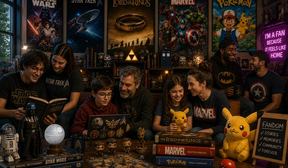
Someone who watched Star Wars as a child may eventually show the films to their own children. A parent who spent hours playing Pokémon might buy a new Pokémon game for the next generation.
The experience is no longer only about the fictional world.
It is connected to personal memory.
A particular character might remind someone of childhood friends, family members or a specific period of life. Returning to the franchise allows them to briefly reconnect with those memories.
When they introduce the same story to someone younger, they create another layer of meaning.
The new fan is discovering something for the first time while the older fan is experiencing both the story and the memory attached to it.
Few forms of entertainment can compete with that emotional combination.
Fans create culture between official releases
A fandom does not survive only because companies continue producing content.
Fans themselves keep it active.
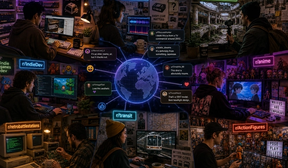
They create artwork, costumes, videos, podcasts, fiction, theories, memes and detailed discussions about fictional worlds. Some organize conventions or local communities. Others maintain enormous online databases documenting characters and events.
This activity fills the spaces between official releases.
A television series might disappear for years, but the community discussing it does not necessarily disappear with it. Fans can continue analyzing old episodes, introducing newcomers and producing their own creative work.
The internet dramatically strengthened this process because fans no longer need to live near one another.
A person who knows nobody locally who shares their obsession can find thousands of people online who do.
The fandom becomes a social community rather than simply an audience.
Arguments can actually keep fandoms alive
Long-running fandoms argue constantly.
Which film is best? Which character would win? Was the new adaptation faithful enough? Did the latest sequel ruin everything?
From the outside, this can look exhausting.
Strangely, disagreement can also be evidence of cultural health.
People argue because they care enough to have opinions. A fictional universe that inspires endless interpretation gives fans reasons to continue discussing it.
Different generations may also want different things from the same franchise. Older fans can become protective of the version they grew up with, while newer audiences may prefer characters or stories introduced much later.
That tension can be frustrating, but it also demonstrates that the fictional world still matters.
The most dangerous thing for a fandom is not disagreement.
It is indifference.
Iconic characters make franchises easier to inherit
Stories come and go, but recognizable characters can survive enormous changes in format and audience.
Batman has appeared in comics, television, animation, movies and games across dramatically different eras. The tone changes, actors change and even details of the character change, yet the basic identity remains recognizable.
Strong characters give each generation something familiar to rediscover.
They also allow creators to reinterpret the same fictional figure for a different cultural moment.
One generation’s Batman can be playful and colorful. Another’s can be dark and psychologically complicated. Both remain recognizably Batman.
That adaptability is crucial.
A character that can only function in one particular style may remain beloved, but a character flexible enough to survive reinterpretation has a much better chance of becoming generational.
Merchandising makes fictional worlds physically present
Fandom is not limited to watching or reading.
Toys, clothing, posters, collectibles and games allow fictional worlds to become part of people’s physical environments.
A child can finish watching a movie and continue the story with action figures. A collector can display objects associated with a favorite franchise decades later.
Merchandise can obviously be highly commercial, but its cultural role is more interesting than simply selling products.
Physical objects become reminders of fictional worlds.
Some even become family artifacts. Old games, cards, comics and toys can be handed down, introducing another generation to the same characters through objects that already have personal history attached to them.
The franchise becomes something people literally keep.
The story has to evolve without becoming unrecognizable
Long-running franchises face a difficult problem.
If they never change, they risk becoming outdated. If they change too much, existing fans may feel that the thing they loved has disappeared.
The most durable fandoms continually negotiate between familiarity and reinvention.
New characters and stories keep the world moving, while recognizable themes, symbols and traditions preserve continuity.
Not every attempt succeeds. Long-running franchises inevitably produce unpopular sequels, failed experiments and controversial changes.
Survival does not require perfection.
It requires enough successful reinvention that people continue caring about what happens next.
Lasting fandoms become part of people’s identities
Eventually, the strongest fandoms stop behaving like ordinary entertainment.
People describe themselves as Star Wars fans, Trekkies, Potterheads or members of countless other communities. They attend conventions, collect objects, make friends and sometimes organize significant parts of their social lives around shared interests.
At that point, the fictional world has acquired something extremely valuable: personal meaning.
A new movie is no longer simply another product being released. It is a return to a place someone has known for years.
That is why the longest-lasting fandoms can survive disappointing sequels, changing technology and enormous gaps between releases.
The original story gave people something to love.
The community, memories and traditions built around it gave them reasons to stay.
And when those fans introduce the same world to someone younger, the cycle begins again.