The Strange World of Internet Subcultures
Jasiah Alvarez
September 1, 2026
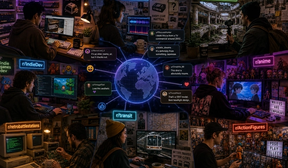
Spend enough time online and you eventually discover that the internet is not really one place. It is thousands of overlapping worlds, each with its own language, jokes, celebrities, arguments and unwritten rules.
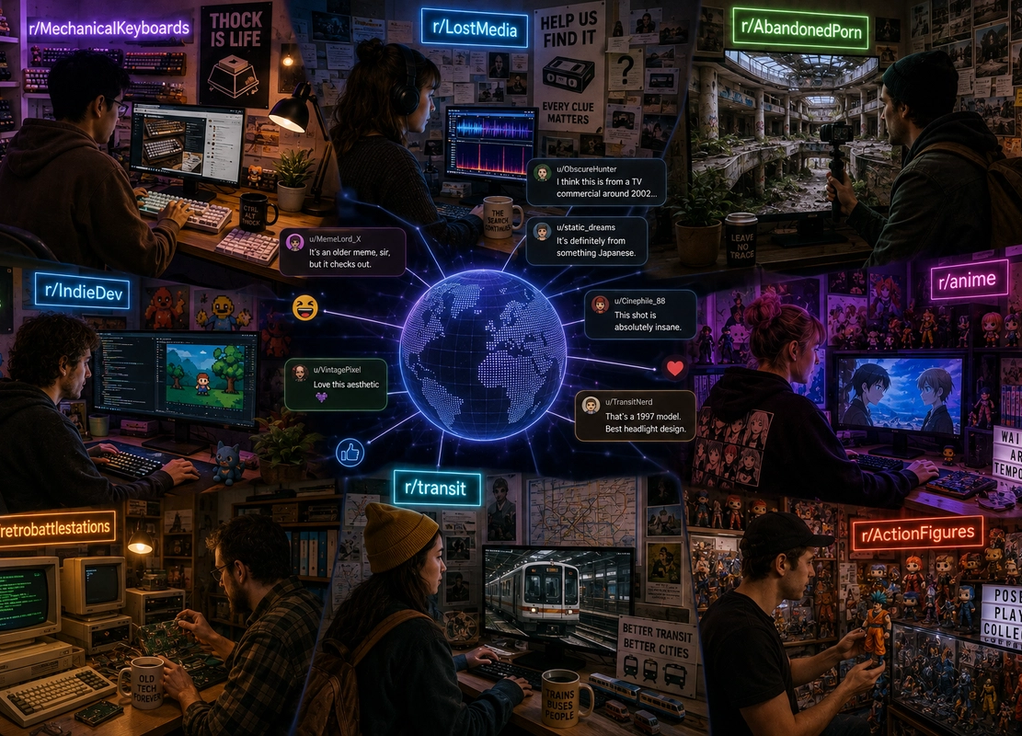
One community might be obsessed with mechanical keyboards. Another spends hours identifying unidentified songs from ten-second audio clips. There are people documenting abandoned shopping malls, rating public transportation systems, restoring ancient computers, analyzing celebrity fashion, collecting obscure objects or discussing one video game released 20 years ago with the seriousness of academic historians.
These are internet subcultures: communities that form around specific interests, identities, aesthetics or ways of interacting online. Some contain millions of people, while others are so small that discovering them feels like accidentally opening a door into a private club.
The strange part is not that these communities exist. Humans have always formed groups around shared interests. What changed is that the internet made it possible for almost any interest, no matter how specific, to find enough people to become its own little culture.
The internet made being niche much easier
Before the internet, unusual interests were limited by geography. If you were fascinated by an obscure type of music but nobody in your town had heard of it, finding a community could be difficult.
Online, geography matters much less.
Ten people with the same unusual interest can live in ten different countries and still talk every day. Once those people begin sharing information, creating jokes and inviting others, a community starts to form.
This is one reason the internet can make extremely niche interests look surprisingly large. There may not be many enthusiasts in any individual city, but gathering them into one online space suddenly creates a visible culture.
Forums were particularly important to early online subcultures because they gave communities permanent places to gather. Later, Reddit, Tumblr, Discord, YouTube, TikTok and other platforms made discovering niche communities even easier.
Today, an algorithm can introduce you to a hobby you did not know existed before breakfast and have you researching equipment for it by dinner.
Every subculture eventually develops its own language
One of the clearest signs that you have entered an established internet community is realizing that everyone seems to be speaking a slightly different version of your language.
Communities develop abbreviations, references, memes and phrases that make perfect sense to regular members and almost none to outsiders.
Gaming communities might discuss character builds, metas and patches. Technology enthusiasts casually use product names and technical terminology. Fan communities develop shortened names for characters, relationships and events.
Learning the vocabulary becomes part of joining the group.
This language has a practical purpose because specialized terms allow people to communicate complicated ideas quickly. But it also creates a sense of belonging.
Understanding an obscure joke signals that you have been around long enough to know the context.
The confusion experienced by newcomers is almost a feature rather than a bug.
Memes act like cultural passwords
Internet subcultures do not only communicate through words. They communicate through references.
A strange image, a particular reaction GIF or one line from an old video can carry an entire story for people who understand where it came from.
To everyone else, it looks completely meaningless.
This is part of what makes memes so effective at creating community. They reward shared knowledge.
If you understand the reference, you are part of the audience it was made for.
Over time, these jokes evolve. A meme can be modified so many times that understanding the latest version requires knowing several earlier versions. The humor becomes layered with history.
That process can make online communities feel surprisingly similar to traditional cultures, where stories and expressions gain meaning because people have shared them for years.
The difference is that internet culture can develop this history in a matter of months.
Algorithms can turn tiny communities into huge ones
Modern internet subcultures are heavily shaped by recommendation algorithms.
Previously, joining a niche community often required deliberately searching for it. You found a forum, created an account and slowly learned how the community worked.
Today, communities can find you.
Watch a few videos about an unusual hobby and a platform may begin recommending more. Soon your feed contains terminology and personalities you had never encountered before.
This can accelerate the growth of subcultures dramatically.
An aesthetic, hobby or joke can move from a small group to millions of people within weeks. New participants then create their own content, giving recommendation systems even more material to distribute.
The result is a feedback loop where niche cultures can suddenly become mainstream trends.
Ironically, that popularity can sometimes upset the people who belonged to the community before everyone else arrived.
Every community eventually argues about who really belongs
When a subculture grows, questions about authenticity tend to appear.
Longtime members may complain that newcomers do not understand the culture. New participants may feel that established members are unnecessarily gatekeeping an interest that should be open to everyone.
This tension appears almost everywhere.
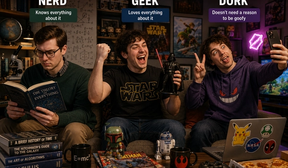
Music fans debate who counts as a “real” fan. Gamers argue about casual players. Hobby communities disagree about whether someone needs expensive equipment or deep knowledge to participate properly.
Part of this comes from identity.
When someone has spent years belonging to a small community, that membership can become personally meaningful. If the culture suddenly becomes fashionable, something that once felt distinctive can begin to feel ordinary.
The community wanted recognition.
Then recognition arrived, and some members discovered they preferred being underground.
Online subcultures can create real-world behavior
Internet communities do not stay neatly contained behind screens.
They influence what people buy, wear, watch and do.
A small online fashion aesthetic can influence major clothing brands. A niche music community can push an unknown artist toward global attention. Online enthusiasm can cause an old camera, game console or collectible to suddenly become difficult to find.
Entire businesses have grown around communities that once looked commercially insignificant.
The relationship works in the opposite direction too.
Companies actively watch internet subcultures for emerging trends, then turn those trends into products and marketing campaigns.
Sometimes the community enjoys the attention.
Other times, members watch something they created become commercialized and immediately decide it is no longer cool.
The internet moves fast enough that the people who created a trend can become tired of it before the wider public even discovers it.
Some subcultures become surprisingly serious
It is easy to dismiss niche internet communities as people wasting time on extremely specific interests.
That misses how much knowledge they can produce.
Enthusiast communities create detailed guides, databases, archives and tutorials. Fans preserve media that might otherwise disappear. Hobbyists answer technical questions that are difficult to find in official documentation.
Sometimes a stranger on a forum knows more about repairing a ten-year-old device than the company that manufactured it still provides online.
Communities can become collective knowledge systems.
Thousands of people contribute tiny pieces of information until the group knows far more than any individual member could.
Of course, online communities can also confidently spread completely incorrect information.
Shared enthusiasm does not guarantee accuracy.
But at their best, internet subcultures demonstrate how powerful voluntary collaboration can become.
The internet keeps creating smaller worlds inside itself
The early internet was sometimes imagined as one enormous global community.
What actually emerged was something more interesting.
People used a global network to build millions of smaller spaces.
Some last decades. Others appear around a joke, explode in popularity and disappear within months. Members move between them, carrying language and ideas from one community into another.
That is why internet culture can feel impossible to follow from the outside.
There is no single internet culture to understand.
There are gamers, fandoms, collectors, programmers, hobbyists, artists, archivists and thousands of communities built around interests too specific to have conventional names.
Spend enough time in any one of them and its strange rules eventually begin to feel completely normal.
Then you encounter another corner of the internet and realize you are an outsider all over again.
That may be the defining feature of internet subcultures: somewhere online, people are currently having an extremely serious conversation about something you did not even know people cared about.
And they probably have a meme for it.