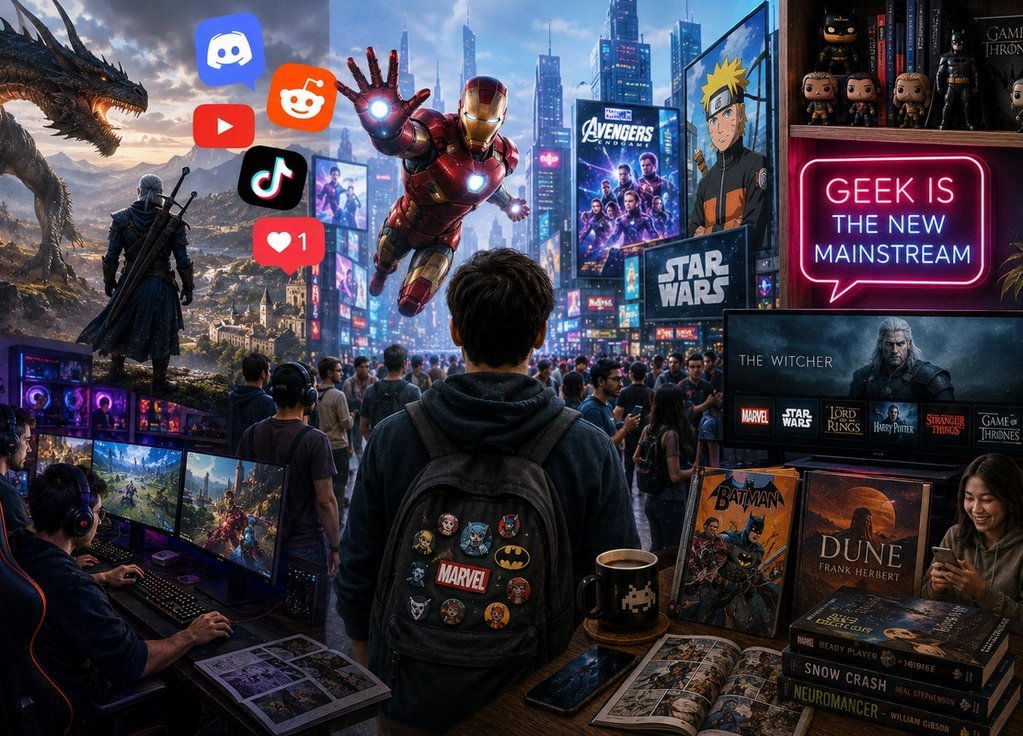
Why Geek Culture Became the Dominant Culture
Ryker Ware
September 1, 2026
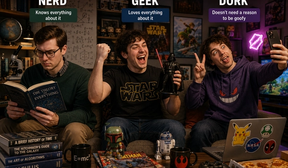
Not long ago, “geek culture” described interests that seemed to exist outside the mainstream. Comic books, video games, fantasy novels, science fiction, computers and tabletop games belonged to passionate communities, but they were often portrayed as hobbies for people on the cultural sidelines.
Today, those same interests are everywhere.
Superhero movies became global blockbusters. Video games grew into one of the world’s largest entertainment industries. Fantasy and science-fiction series became major streaming productions. Anime reaches international audiences, gaming references appear in advertising, and technology influences almost every part of daily life.
Geek culture did not simply become more accepted. Many of its interests, habits and ways of building communities became central to popular culture itself. The transformation happened gradually, driven by technology, the internet and generations of fans who never stopped loving the things they grew up with.
Technology moved from the margins to everyday life
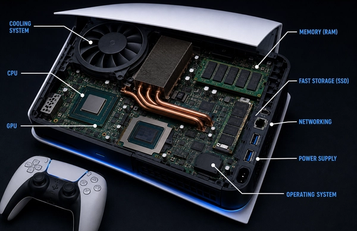
Computers once belonged primarily to offices, laboratories and dedicated enthusiasts. Knowing how to program or build a computer could easily mark someone as a “computer geek.”
Then computers became unavoidable.
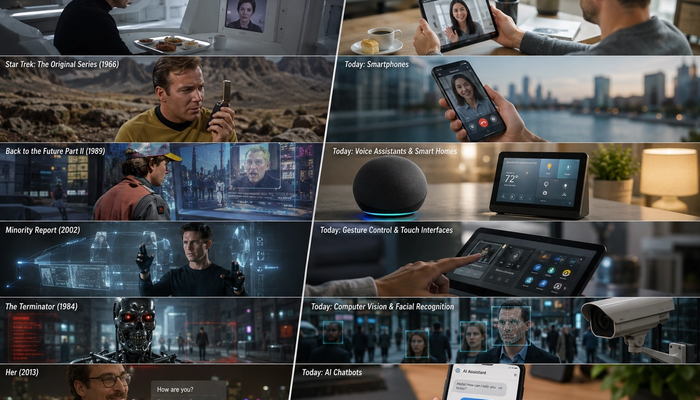
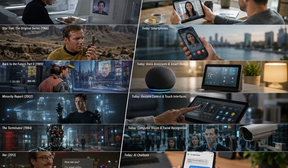
Smartphones put powerful computers into billions of pockets. Social lives moved partly online. Work, banking, shopping, entertainment and communication became increasingly digital.
Understanding technology stopped being a niche skill and became useful cultural knowledge.
The people who were fascinated by computers before everyone else suddenly found themselves interested in the systems reshaping society.
This also changed the image of the technology enthusiast. Software developers and technology entrepreneurs became highly visible, while major technology companies became some of the world’s most influential businesses.
The geek was no longer necessarily standing outside mainstream culture.
In some cases, the geek was building it.
Superheroes became blockbuster entertainment
Comic books provide one of the clearest examples of geek culture becoming mainstream.
Characters such as Batman, Superman and Spider-Man were already widely recognizable, but comic fandom itself remained relatively specialized for much of the twentieth century.
Then superhero cinema expanded dramatically.
Improved visual effects made it possible to reproduce comic-book action convincingly on screen, while studios realized that interconnected fictional universes could keep audiences returning across multiple films.
Suddenly, knowledge that once belonged mainly to comic fans became part of everyday entertainment conversations.
People debated characters, timelines and hidden references. Post-credit scenes became major discussion points. Audiences learned increasingly complicated fictional histories without necessarily opening a comic book.
The mainstream did not simply watch superhero stories.
It began behaving like fandom.
Video games grew up with the people playing them
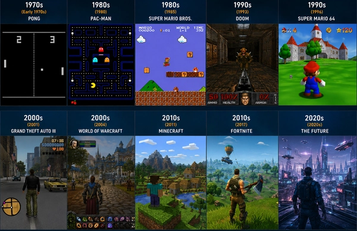
Gaming experienced a similar transformation.
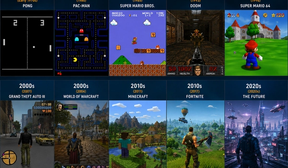
Early video games were often treated as children’s entertainment or a hobby for enthusiasts. But the generations who grew up playing them did not abandon games when they became adults.
They kept playing.
At the same time, games became more varied and technologically sophisticated. Players could choose from enormous cinematic adventures, competitive multiplayer games, independent experiments, strategy games and countless other genres.
Gaming also became increasingly social.
Online multiplayer allowed friends to spend time together regardless of distance, while streaming turned playing games into entertainment that other people could watch.
The audience expanded until describing gaming as a niche interest no longer made much sense.
Games had become part of ordinary entertainment culture.
The internet rewarded obsessive knowledge
Traditional media was built around broad audiences.
The internet was perfect for niches.
Someone interested in one obscure science-fiction series could find an entire community devoted to it. Fans could build forums, wikis and websites containing extraordinary amounts of information about fictional worlds.
This rewarded a behavior deeply associated with geek culture: knowing everything.
Online, detailed knowledge became valuable.
People created explanations, rankings, theories and video essays. They analyzed movie trailers frame by frame and documented the history of games released decades earlier.
The internet turned enthusiasm into content.
Someone who knew an unreasonable amount about one subject could suddenly attract thousands or millions of people who wanted access to that knowledge.
Being obsessed stopped being purely personal.
It could become a public identity, community or even career.
Fandom became a normal way to consume entertainment
Mainstream audiences once tended to watch a film or television series and then move on.
Modern audiences often do much more.
They discuss theories, watch explanation videos, follow actors online, create memes, buy merchandise and participate in communities built around the story.
These behaviors were once strongly associated with dedicated fandoms.
Now they are standard parts of entertainment.
Streaming and social media intensified the process because conversation can continue constantly between episodes, seasons and releases.
A popular show is no longer only competing for viewing time.
It is competing to become part of people’s online conversations.
The entertainment companies themselves encourage this behavior by creating fictional universes designed to reward continued attention.
Mainstream entertainment effectively adopted the operating system of geek culture.
Fantasy and science fiction stopped being niche genres
Fantasy and science fiction were once easy targets for stereotypes.
Stories about dragons, spaceships or invented worlds could be dismissed as escapism for unusually dedicated fans.
Then some of the largest entertainment franchises in the world came from exactly those genres.
Harry Potter, The Lord of the Rings, Game of Thrones and Star Wars demonstrated that enormous audiences were perfectly willing to learn complicated fictional worlds.
The key difference was no longer whether something contained magic or spaceships.
It was whether the story was compelling.
As production budgets increased, fictional worlds could also be presented with levels of visual detail that made them accessible to audiences beyond traditional genre fans.
What once looked like specialist entertainment became prestige entertainment.
Geek interests became socially valuable
There was also a broader cultural change in how expertise was perceived.
Knowing a lot about something used to risk making someone appear obsessive.
Online culture often rewards exactly that behavior.
The person who knows everything about cameras can create a successful channel reviewing them. A gaming expert can stream professionally. Someone deeply interested in films can build an audience around analysis.
Expertise creates authority.
This has encouraged people to publicly embrace interests they might once have hidden.
Being a “geek” about something can now simply mean caring enough to learn the details.
The label expanded beyond traditional subjects too.
People describe themselves as coffee geeks, fitness geeks, fashion geeks and even finance geeks.
Geekiness became less about what you loved and more about how deeply you loved it.
Brands learned that fandom was valuable
Companies eventually noticed something important about geek communities: passionate fans spend money.
A casual audience may watch something once.
A dedicated fan buys collectibles, attends events, subscribes to services and follows a franchise for years.
That loyalty made fandom commercially attractive.
Brands increasingly collaborated with gaming franchises, anime, superheroes and other traditionally geeky properties. Merchandise moved from specialist shops into mainstream fashion and retail.
The cultural outsider had become an extremely valuable customer.
Commercialization helped spread geek culture further, although it also created tension. Longtime fans sometimes felt that communities built around genuine enthusiasm were being transformed into marketing opportunities.
That tension continues today.
Geek culture won because everyone became a geek about something
The most important change may be that geek culture expanded beyond its original subjects.
The defining behavior of geek culture is not necessarily loving computers, comics or science fiction.
It is caring deeply about something.
The internet gave almost everyone the opportunity to find a community built around their particular obsession.
Someone follows football statistics with extraordinary detail. Another person knows everything about skincare ingredients. Someone else spends hours discussing watches, films, sneakers, keyboards or coffee.
The subjects are different.
The behavior is remarkably similar.
The mainstream became a collection of niches
Geek culture did not become dominant because everyone suddenly decided to love the same traditionally geeky things.
Something more interesting happened.
Technology made niche interests easier to discover. The internet made communities easier to form. Entertainment franchises learned to build long-term fandoms, while social media encouraged people to make their interests part of their identities.
The old distinction between mainstream culture and geek culture became increasingly difficult to maintain.
Popular culture today is less like one enormous audience watching the same thing and more like millions of overlapping fandoms, communities and obsessions.
In other words, geek culture did not simply enter the mainstream.
The mainstream reorganized itself around the way geeks had been enjoying things all along.